Serengeti, Ngorongoro and Zanzibar. For many travellers the most intense wildlife in Africa.
Before you go
Well prepared
Best time to travel
JFMAMJJASOND
ideal good not ideal
June to October is the dry season and the classic safari season. From January to February the wildebeest give birth to their young in the southern Serengeti. It's best to avoid the long rains from April to May. Zanzibar is at its most beautiful from June to October and from December to February.
Vaccinations & malaria
Vaccinations
Make sure your standard vaccinations are up to date (tetanus, diphtheria, whooping cough, polio, measles). Hepatitis A is also recommended, and for longer trips or close contact with the local population, hepatitis B, typhoid and rabies as well. Yellow fever: there is no risk in Tanzania itself, but proof of vaccination is required if you arrive from a yellow fever area, including after a longer layover in, for example, Kenya or Ethiopia.
Malaria
Throughout Tanzania below about 1,800 metres, including Zanzibar, there is a high risk of malaria all year round. Prophylaxis is generally recommended.
Not medical advice. Recommendations change, so please get travel-health advice well before you go.
Our tips
Check the entry requirements and vaccination rules beforehand with your foreign ministry's travel advice, for example regarding the yellow fever vaccination if you arrive via a neighbouring country.
US dollars are often accepted in the parks and lodges; the notes should be new and undamaged.
On Zanzibar, especially in Stone Town, cover your shoulders and knees.
On safari it's customary to tip your guide and cook. We'll let you know in advance how much.
On the map
Where you will be
So you get a feel for where everything is before you go: the capital and the three places you have to see.
Other popular spotsKilimanjaro · Tarangire · Ruaha · Nyerere (Selous) · Dar es Salaam
Three places you have to see
1Serengeti
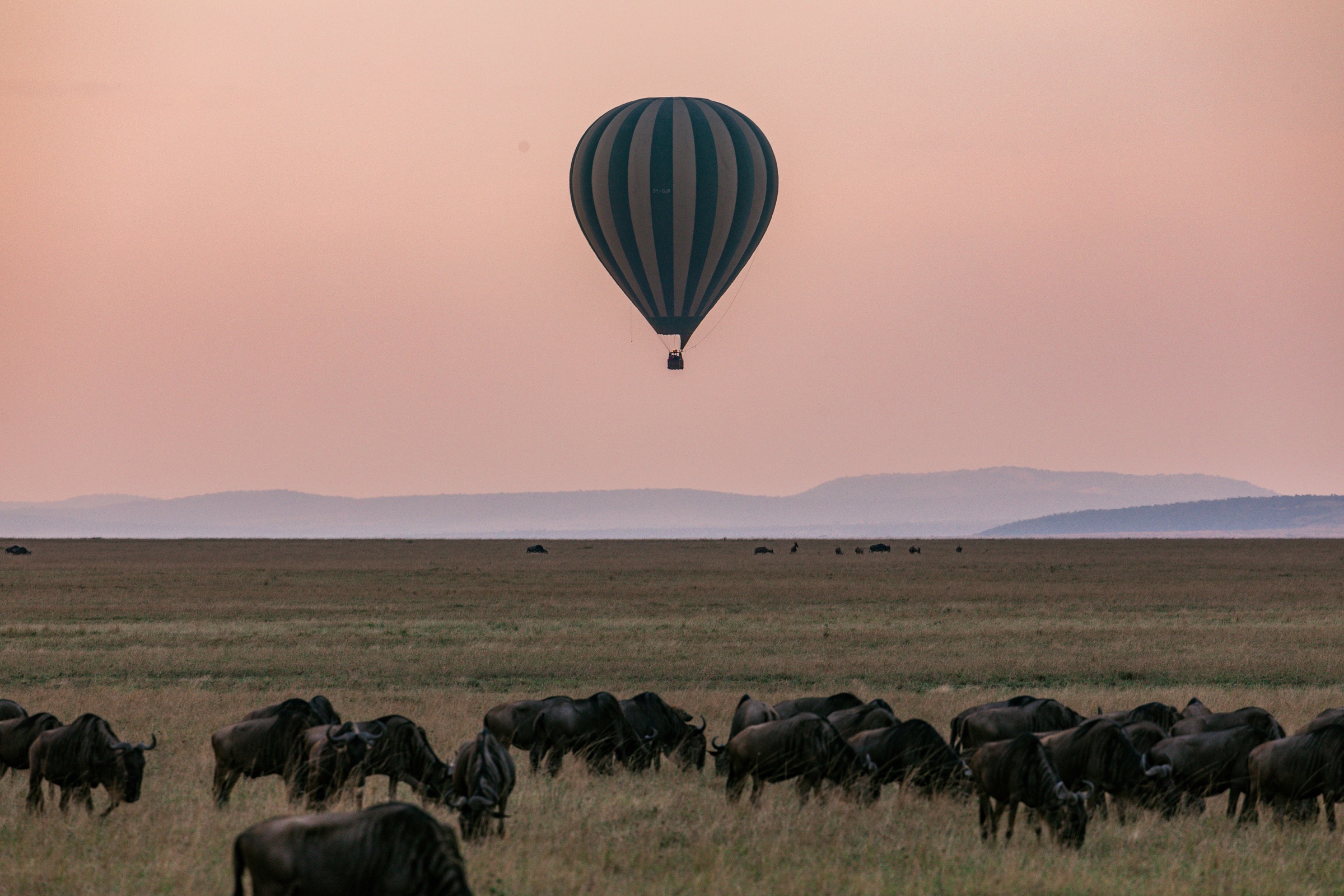
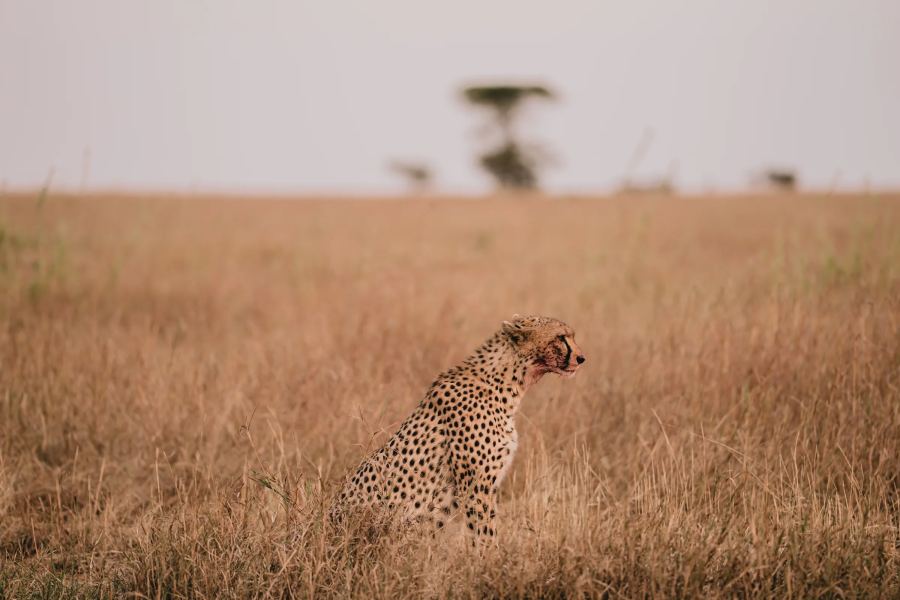
The endless plain of the Great Migration, with lions, cheetahs and leopards. Hardly anyone knows the Serengeti as well as Tony.
2Ngorongoro Crater
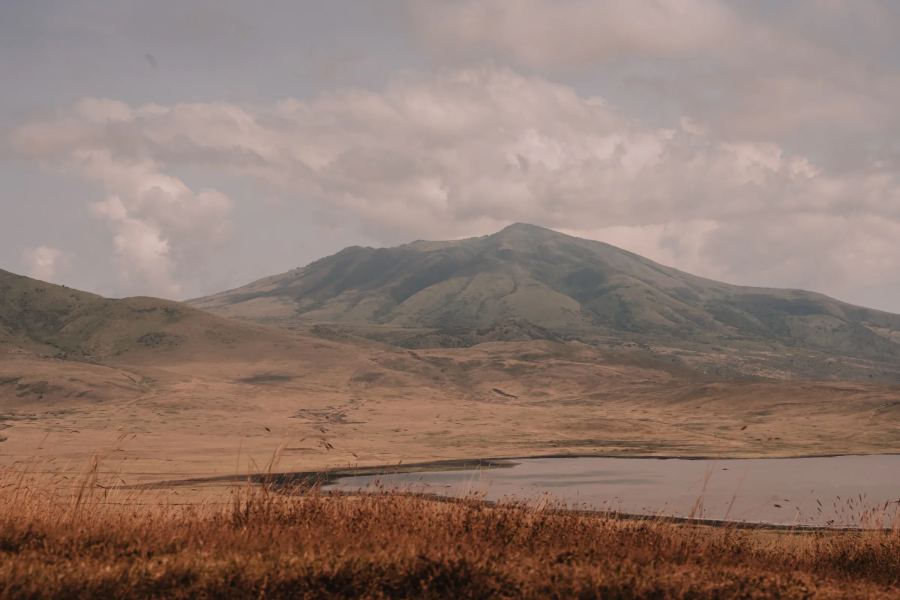
A collapsed volcano with its own wildlife on the crater floor. The view from the crater rim in the early morning is unforgettable.
3Zanzibar
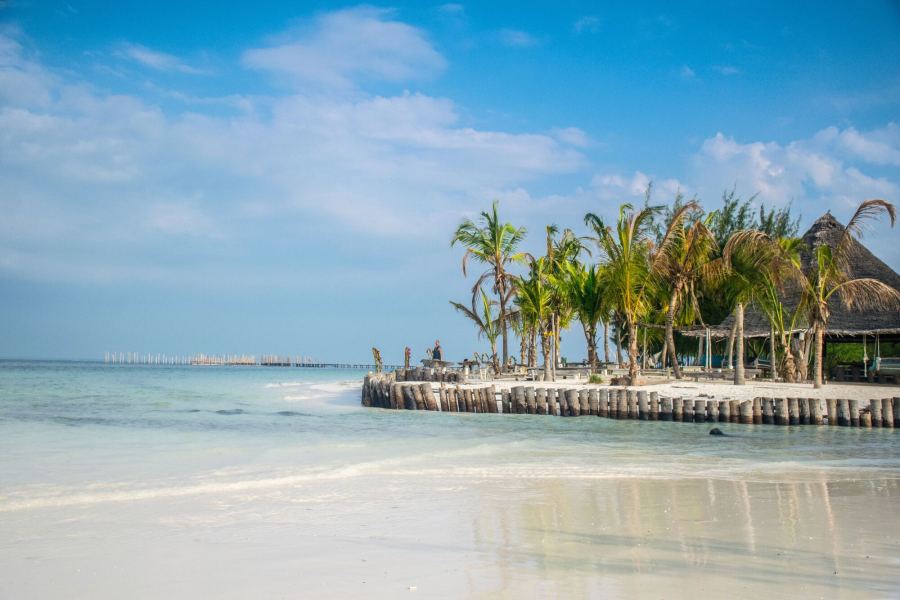
From safari to the beach: white sand, the alleys of Stone Town and a spice tour with Abdul, who cooks with you afterwards.
For many travellers, Tanzania is the most intense safari country in Africa. The Serengeti and Ngorongoro offer wildlife in a density you'll find in few places on Earth, and Zanzibar is the perfect contrast afterwards.
This is where Tony and Abdul are at home. Tony has known the Serengeti for more than fifteen years, and Abdul shows you Zanzibar from the inside. Tanzania is one of our most popular trips, with or without Zanzibar, just as you wish.
The land of the Great Migration
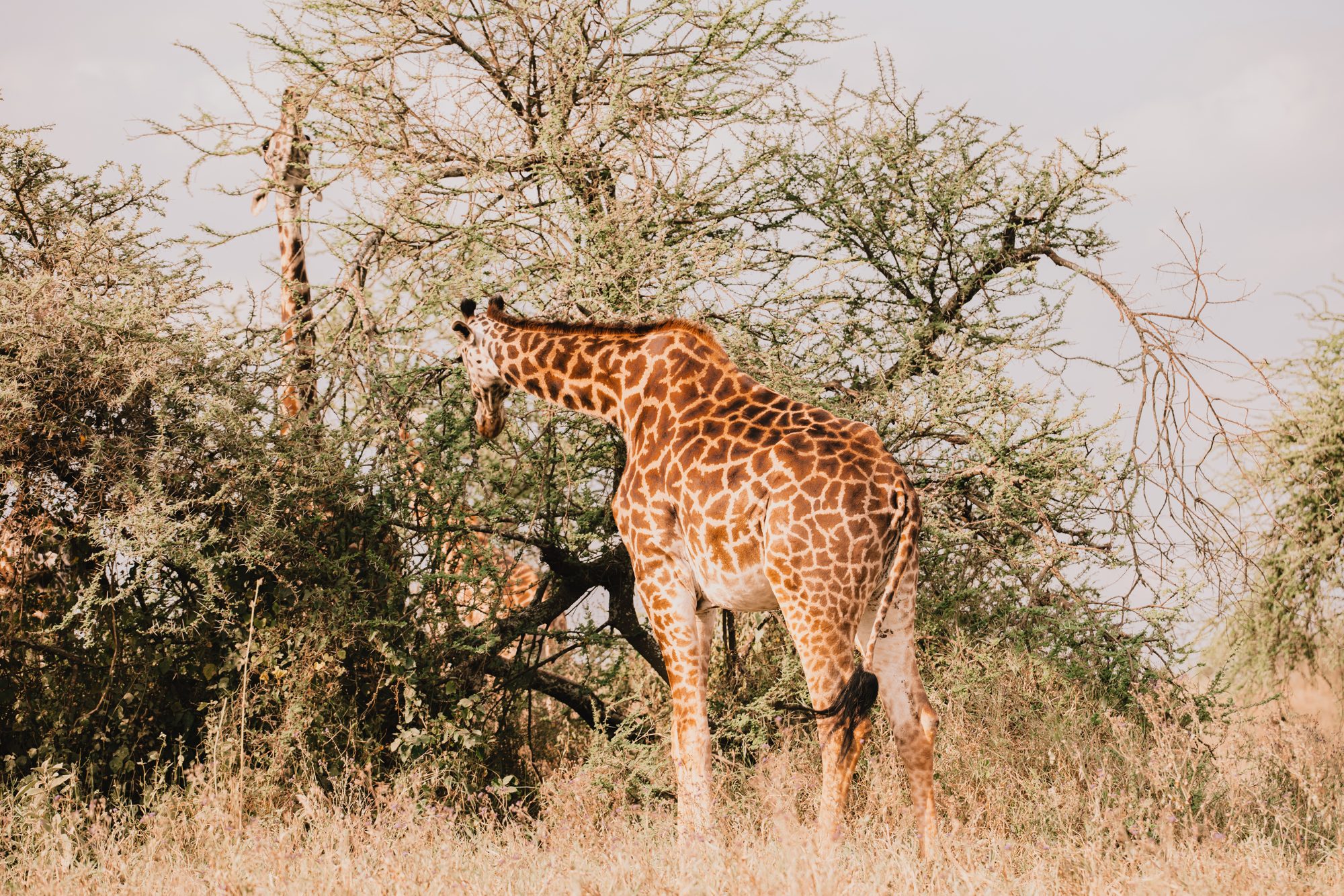
Tanzania is safari on the grandest scale. The wildebeest herds move through the Serengeti all year round, in a different place depending on the month, and with them come lions, hyenas and cheetahs. The Ngorongoro Crater is a world of its own, with rhinos, flamingos and elephants, and in Tarangire huge baobabs stand among the herds.
How you travel with us
In northern Tanzania we travel with Tony. He knows where the herds are right now and plans the drives so that you avoid the big streams of other vehicles. You travel in our own 4x4 with a pop-up roof, stay in hand-picked lodges and tented camps, and have your guide by your side the whole time.
After the safari you can carry on to Zanzibar if you like. There Abdul shows you the spice gardens and the alleys of Stone Town before you unwind for a few days by the Indian Ocean. If you're after some exercise, you can also climb Kilimanjaro or hike in the Usambara Mountains.
Good to know
When you travel decides what you see: you'll experience the birth of the wildebeest calves in the southern Serengeti in January and February, and the dramatic river crossings at the Mara River mostly between July and October. We'll tell you which month suits your wishes best and plan the route accordingly.
Fun facts
Did you know?
5,895
metres is the height of Kilimanjaro, the highest mountain in Africa and the highest free-standing mountain in the world.
1.5
million wildebeest move in a great circle through the Serengeti and the Masai Mara every year, accompanied by hundreds of thousands of zebras.
120
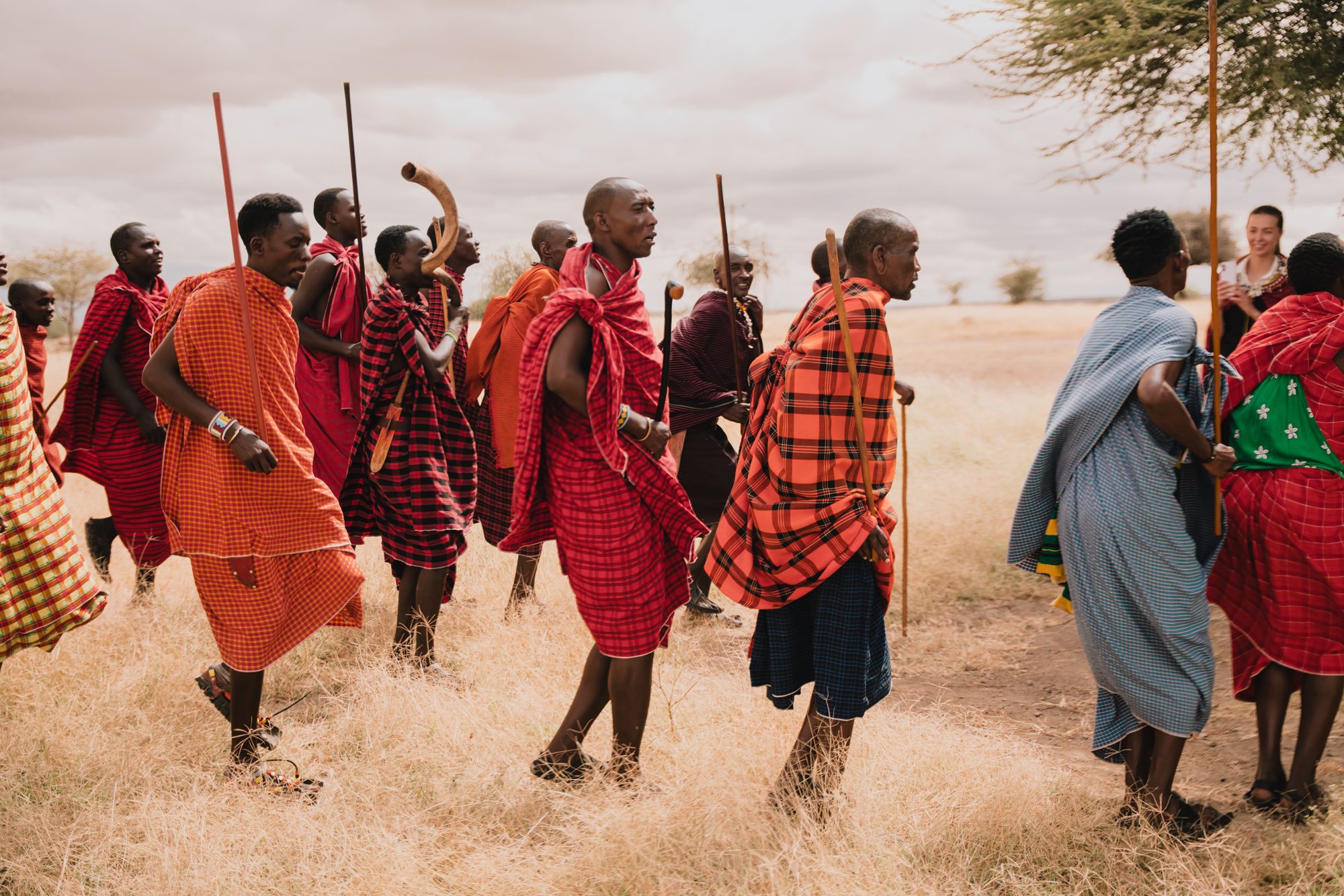
ethnic groups live in Tanzania. They are united by Swahili, which almost everyone speaks.
1946
is the year Freddie Mercury was born in Stone Town on Zanzibar.
Plan your trip to Tanzania
Tell us what matters to you. We will get back to you personally within 48 hours.