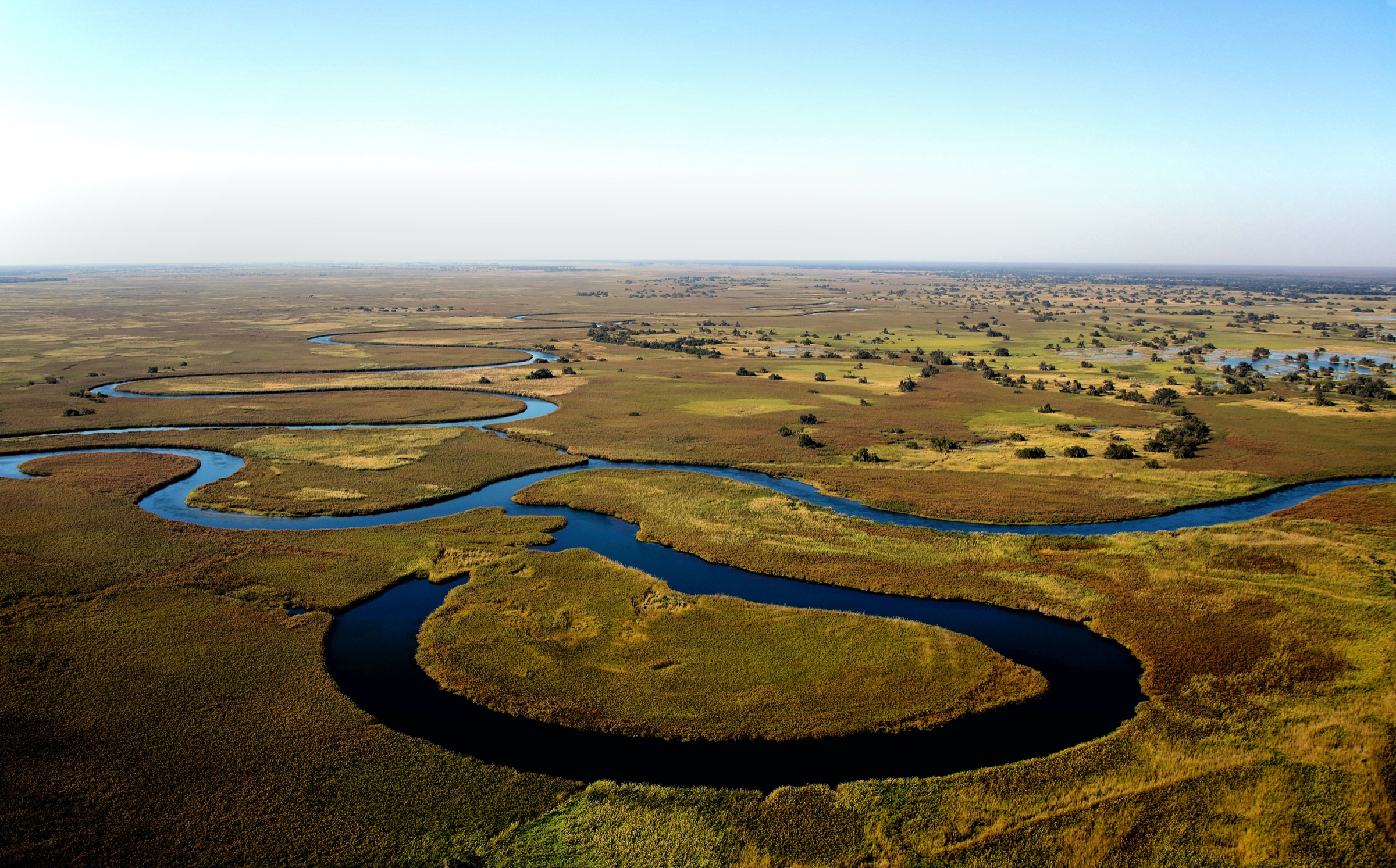
The Okavango Delta and the Chobe — wildlife watching in one of the most untouched landscapes on the continent.
Before you go
Well prepared
Best time to travel
JFMAMJJASOND
ideal good not ideal
May to October. The floodwaters in the Okavango Delta peak from June to August, and wildlife viewing is best in the dry season. The green season from December to March is quieter and cheaper, and that's when zebra herds migrate through the Makgadikgadi Pans.
Vaccinations & malaria
Vaccinations
Make sure your standard vaccinations are up to date (tetanus, diphtheria, whooping cough, polio, measles). Hepatitis A is also recommended, and for longer trips or close contact with the local population also hepatitis B, typhoid and rabies. Yellow fever: proof of vaccination is required if you arrive from a yellow fever area.
Malaria
In the north, with the Okavango, Moremi and Chobe, there is a malaria risk, especially during the rainy season from November to June. Prophylaxis is usually recommended for these areas. The south is largely low-risk.
Not medical advice. Recommendations change, so please get travel-health advice well before you go.
Our tips
Many camps can only be reached by light aircraft. Your luggage then has to fit into soft bags, usually up to 20 kg.
As a self-driver you need a 4x4 vehicle and experience driving in sand. Campsites in Moremi and Chobe are booked up early.
Botswana focuses on few guests and high-quality camps. It pays to plan ahead.
On the map
Where you will be
So you get a feel for where everything is before you go: the capital and the three places you have to see.
Other popular spotsMaun · Central Kalahari · Nxai Pan · Tuli Block
Three places you have to see
1Okavango Delta
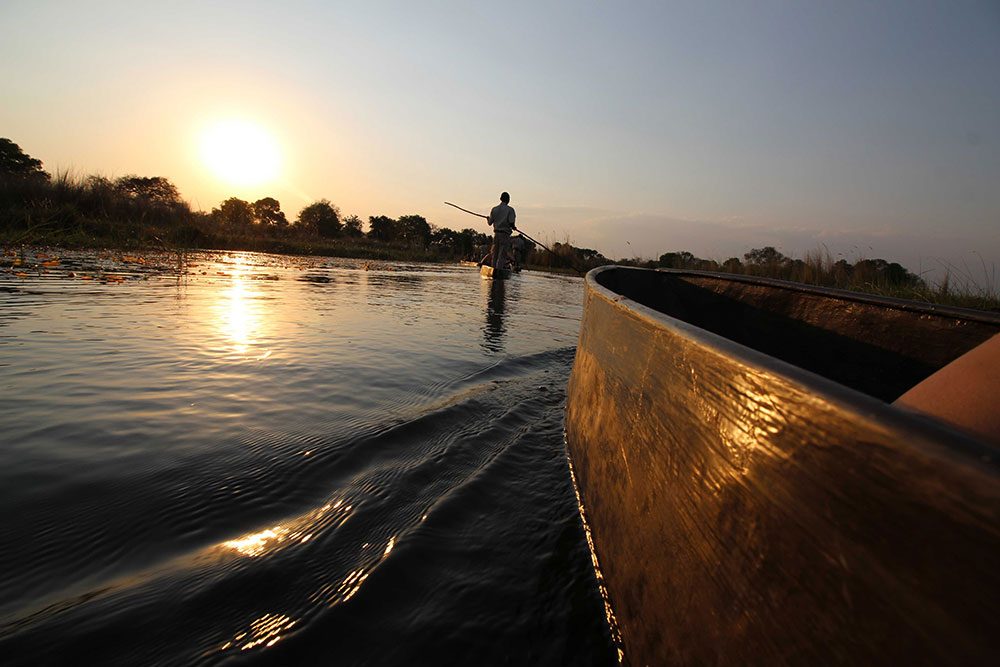
Glide silently through the channels in a mokoro, the traditional dugout canoe, with elephants in the reeds and fish eagles overhead.
2Chobe National Park
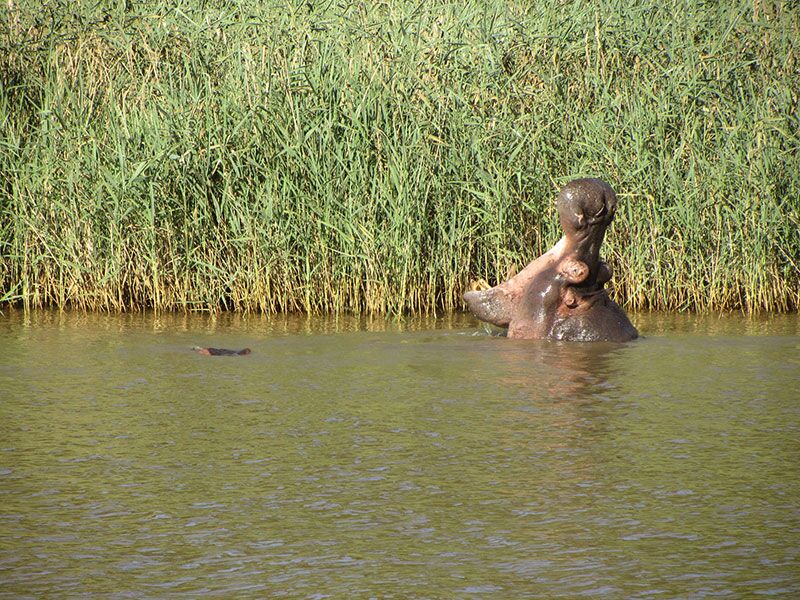
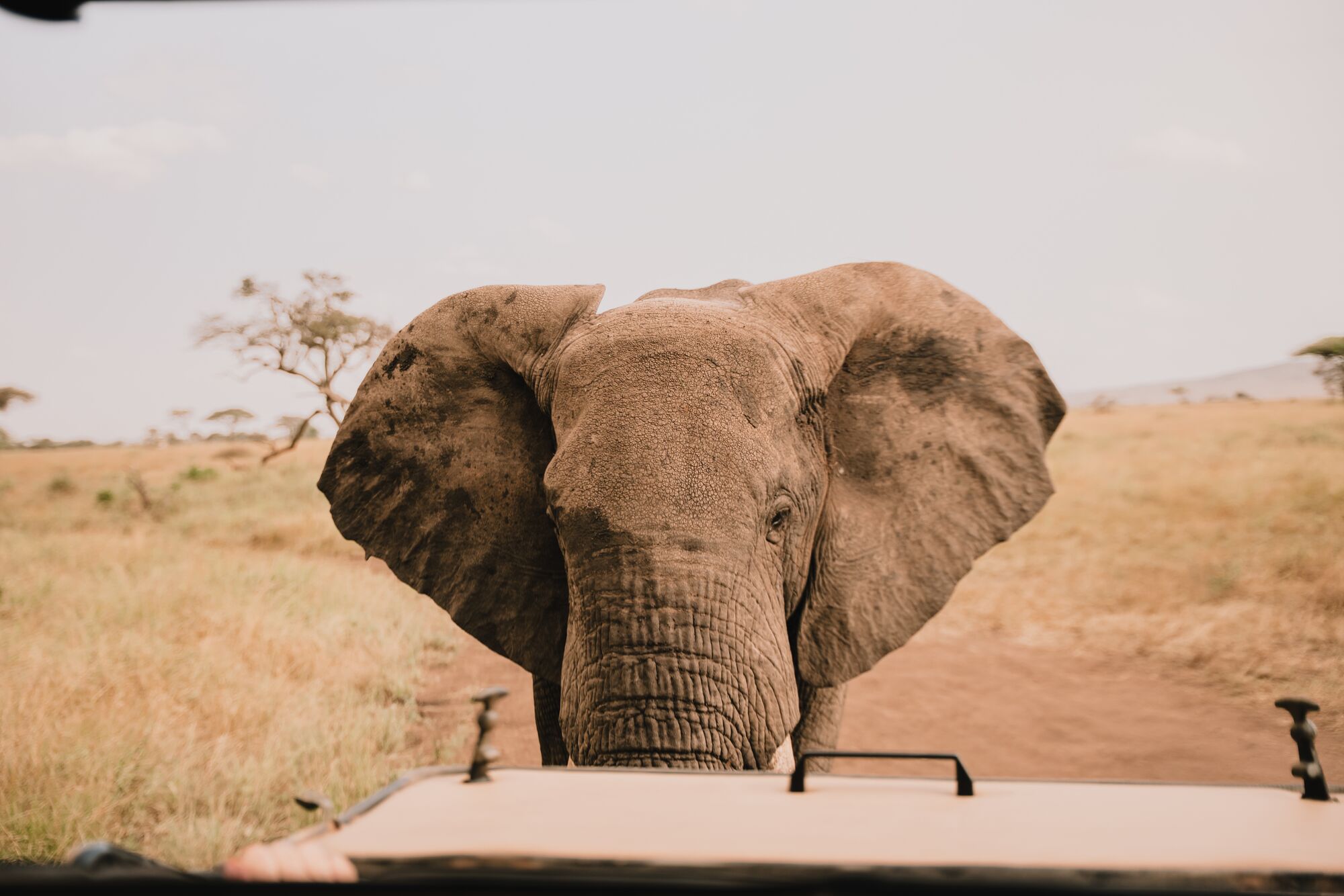
One of the largest elephant populations in Africa. Best experienced from a boat on the Chobe River at sunset.
3Makgadikgadi Salt Pans
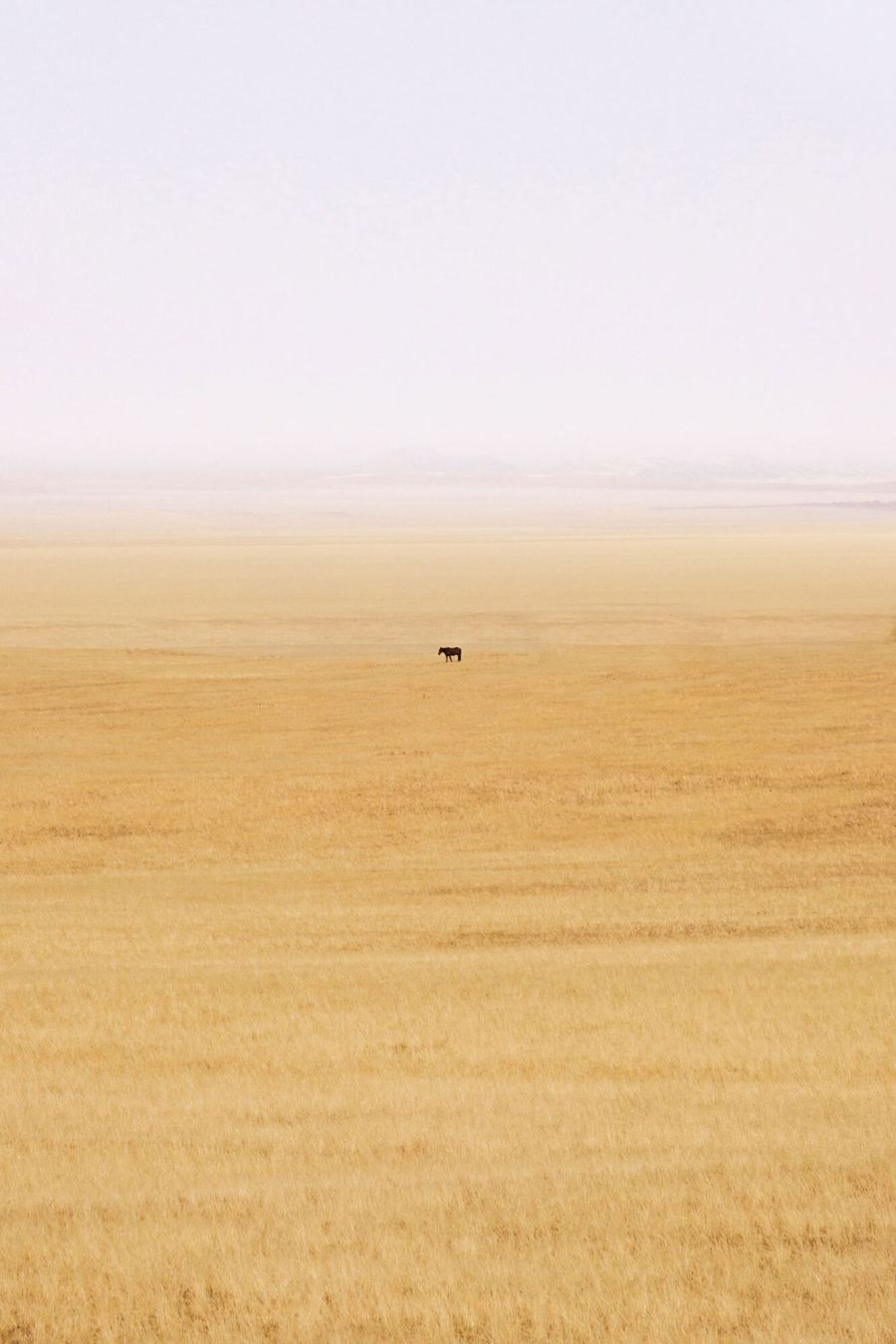
Endless white plains, meerkats and a night under the open sky you'll never forget.
Botswana stands for wilderness in its most original form. The country deliberately focuses on few visitors and high-quality tourism, which is why you often share your wildlife sightings with no one at all.
The Okavango Delta is a maze of water in the middle of the Kalahari, the Chobe National Park belongs to the elephants, and the salt pans feel like another planet. Botswana combines easily with Namibia, Zimbabwe and Victoria Falls.
Wilderness without fences
Many things are different in Botswana. Large parts of the country are protected, the animals roam freely between national parks and private concessions, and the camps are built to disturb nature as little as possible. Instead of dozens of vehicles at a lion sighting, here you are often completely alone with the animals.
How you travel with us
The most beautiful way to experience Botswana is a fly-in safari: small bush planes hop you from camp to camp, and along the way you see the delta from above, with its channels, islands and herds of elephants. We combine water camps, where you explore by mokoro, with dry-land camps for game drives and bush walks.
If you're after adventure and have off-road experience, you can also travel Botswana on your own in a 4x4 with a rooftop tent: through Moremi, along the Chobe and out into the Makgadikgadi Pans. We plan these trips with particular care, because campsites are booked up early and the tracks can be demanding.
Good to know
Botswana is not a budget destination, and that is entirely intentional: few guests, high quality, little pressure on nature. In return, you get experiences that hardly exist anywhere else any more. Combining it with Victoria Falls is especially rewarding, as they are only just over an hour from Kasane.
Fun facts
Did you know?
130,000
elephants live in Botswana, more than in any other country on earth.
1,000
sites made up the UNESCO World Heritage List when the Okavango Delta was added in 2014 as the 1,000th.
70
per cent of the country is covered by the Kalahari, and yet a river flows right into the middle of the desert here.
1966
was the year Botswana became independent, at the time one of the poorest countries in the world. Today it is regarded as one of the most stable democracies in Africa.
Plan your trip to Botswana
Tell us what matters to you. We will get back to you personally within 48 hours.