Lake Malawi, and a country known for how warmly it welcomes people.
Before you go
Well prepared
Best time to travel
JFMAMJJASOND
ideal good not ideal
May to October is the dry season. Wildlife viewing in the national parks is best in September and October. Lake Malawi is warm all year round, but most pleasant from May to October.
Vaccinations & malaria
Vaccinations
Make sure your routine vaccinations are up to date (tetanus, diphtheria, whooping cough, polio, measles). Hepatitis A is also recommended, and for longer trips or close contact with the local population also hepatitis B, typhoid and rabies. Yellow fever: proof of vaccination is required if you arrive from a yellow fever area.
Malaria
The malaria risk is high throughout the year and across the whole country, including Lake Malawi. Prophylaxis is generally recommended.
Not medical advice. Recommendations change, so please get travel-health advice well before you go.
Our tips
ATMs are found almost only in the towns. Bring enough cash in kwacha.
In some parts of Lake Malawi there is a risk of bilharzia. Ask locally about suitable places to swim.
Malawi is called “The Warm Heart of Africa”, and the hospitality is genuine. Take your time for encounters.
On the map
Where you will be
So you get a feel for where everything is before you go: the capital and the three places you have to see.
Other popular spotsNyika Plateau · Nkhata Bay · Cape Maclear · Majete
Three places you have to see
1Lake Malawi
An inland sea with clear water and colourful cichlids. Ideal for snorkelling, kayaking and unwinding.
2Mount Mulanje
The highest massif in south-central Africa, with tea plantations at its foot and multi-day hikes.
3Liwonde National Park
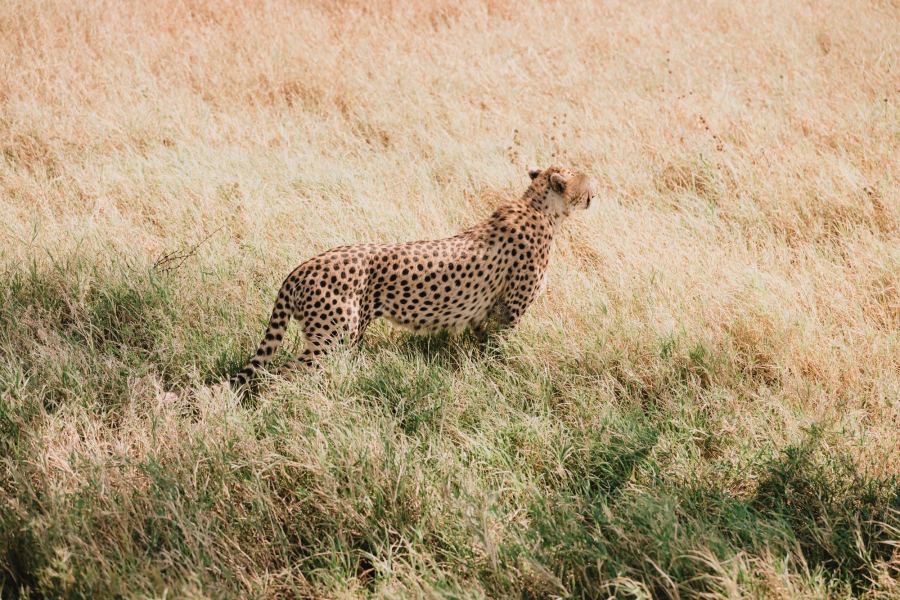
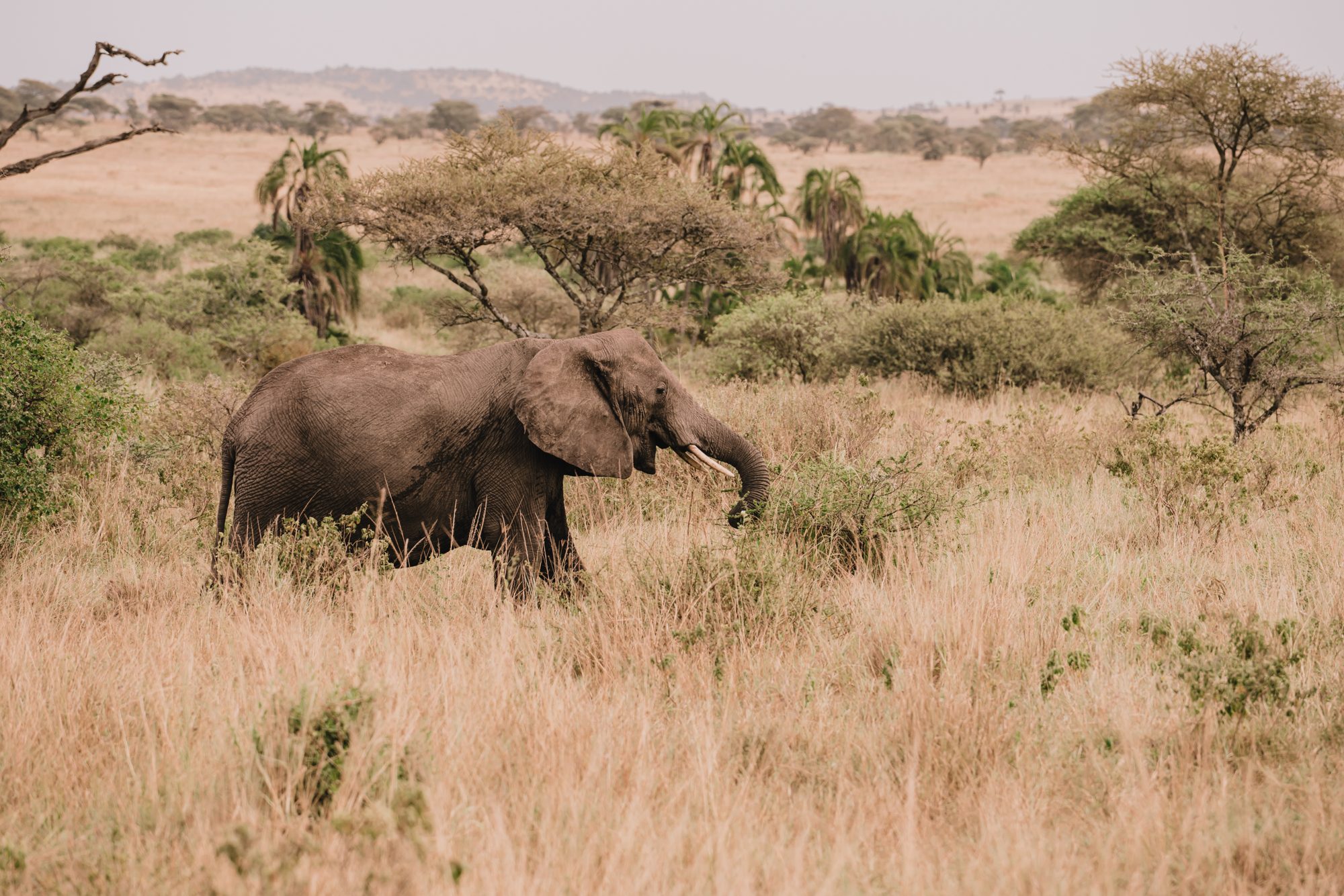
Boat safaris on the Shire River among hippos and elephants, and for some years now with lions and cheetahs again too.
Malawi is small, peaceful and incredibly warm-hearted. Lake Malawi covers almost a fifth of the country and offers beach days in the middle of the continent.
If you want to experience Africa away from the big tourist routes, this is the place for you. Malawi combines well with Zambia and South Luangwa National Park.
A sea in the heart of Africa
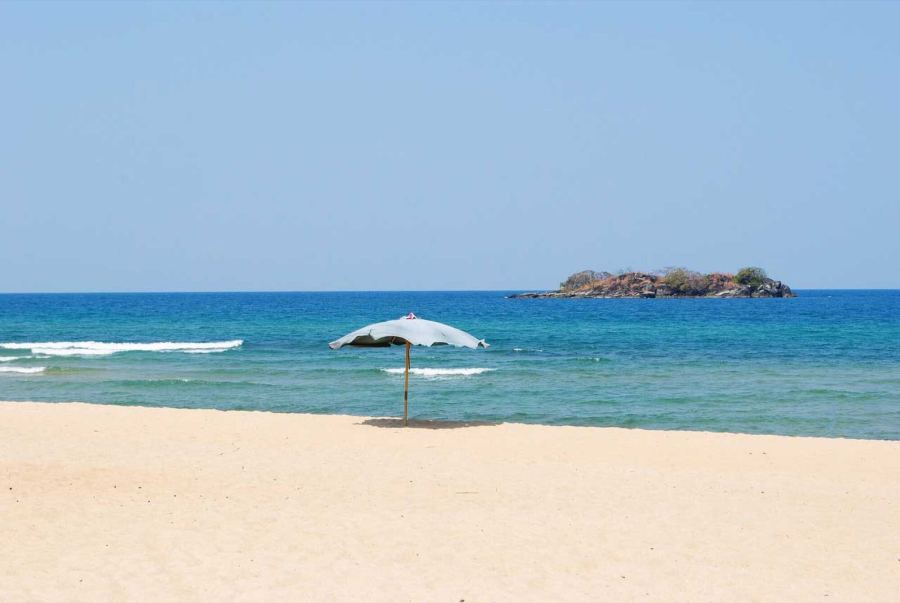
Standing on the shore of Lake Malawi, you'll hardly believe you're at an inland lake. The water is clear, the beaches are golden, and in the mornings the fishermen head out in their dugout canoes. At Cape Maclear and on the islands of Likoma and Mumbo you can snorkel among cichlids, kayak along the shore or simply do nothing at all.
How you travel with us
Malawi is ideal as a relaxing end to a safari. We most often combine it with South Luangwa National Park in Zambia, just a few hours' drive from the border. Within Malawi, Liwonde National Park with its boat safaris and the tea plantations and hiking trails of Mount Mulanje are well worth a visit.
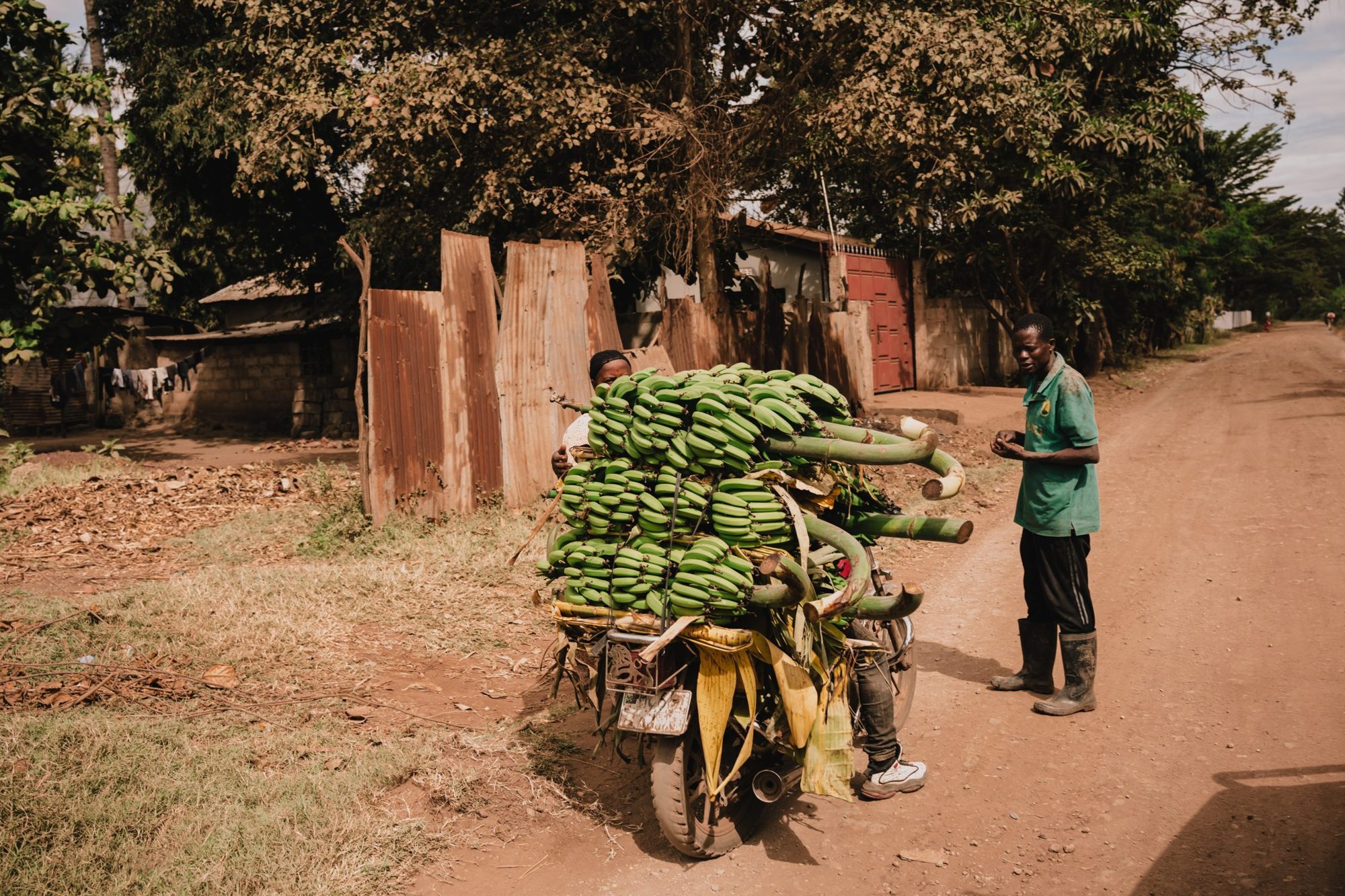
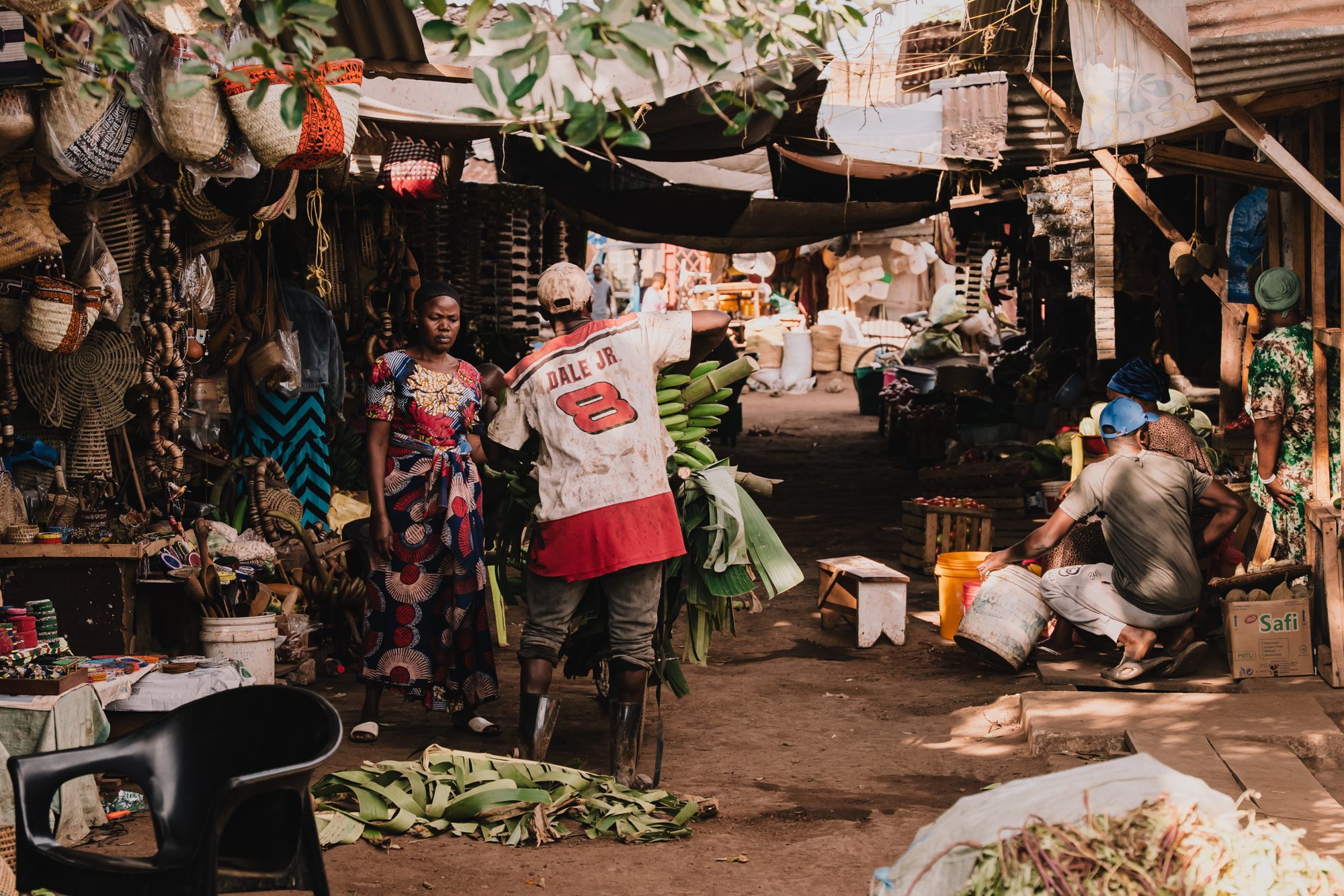
Malawi is one of Africa's poorer countries, and that is exactly why encounters here are often especially warm and direct. We're happy to include a visit to a village or a community project in your trip, always arranged together with the local people.
Good to know
The infrastructure is more basic than in neighbouring countries, and journeys sometimes take longer. In return, you'll have many places almost to yourselves. Accommodation on the lake ranges from simple lodges to small, very beautiful island camps, which we'd love to introduce you to.
Fun facts
Did you know?
700
and more fish species live in Lake Malawi, more than in any other lake on Earth. Most of them are colourful cichlids.
580
kilometres long: that's Lake Malawi. It covers around a fifth of the country.
1980
saw the founding of Lake Malawi National Park, one of the world's first freshwater national parks. It has been a UNESCO World Heritage Site since 1984.
“The Warm Heart of Africa”
is what Malawi calls itself, and once you've been here, you'll understand why.
Plan your trip to Malawi
Tell us what matters to you. We will get back to you personally within 48 hours.