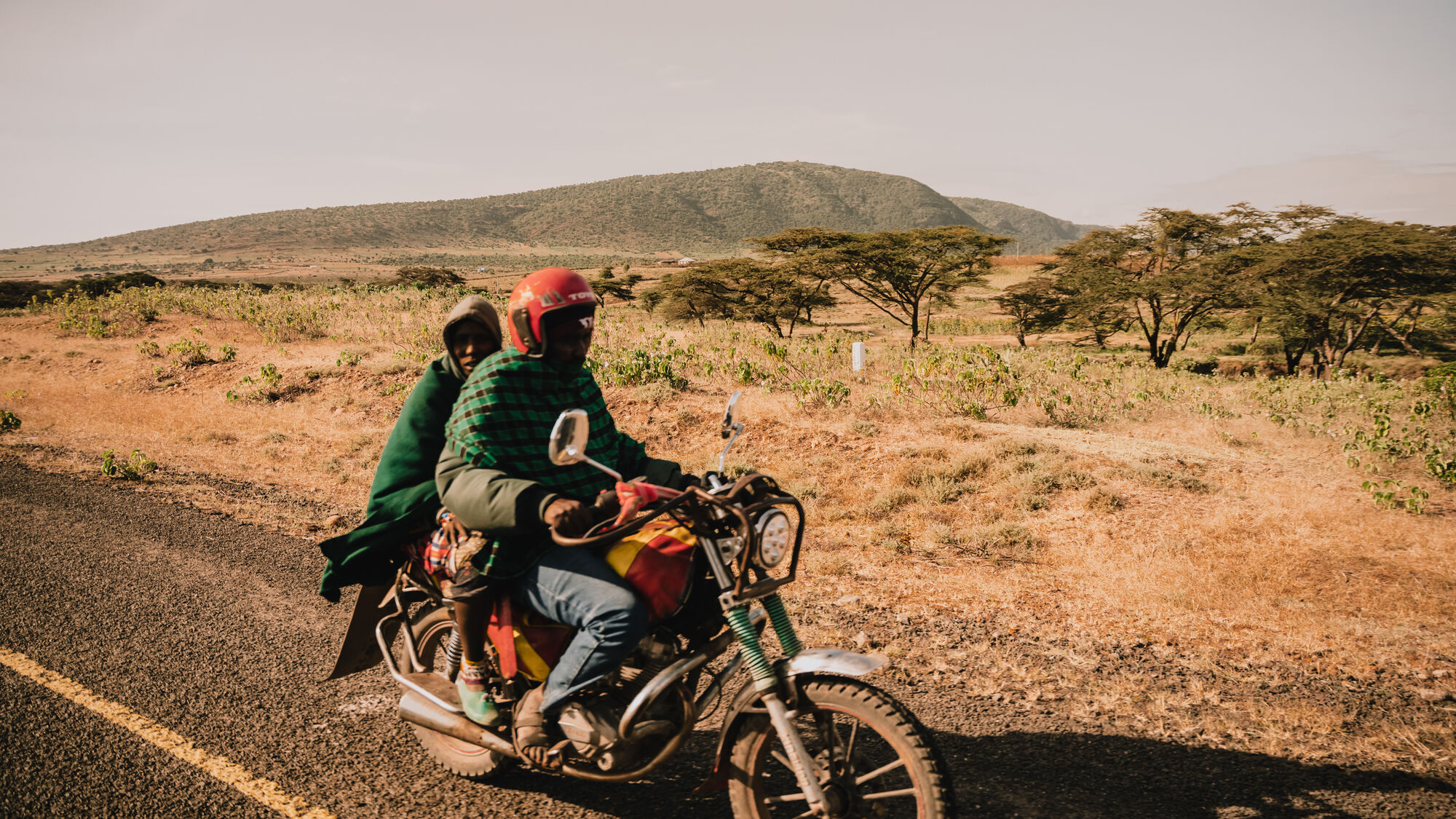
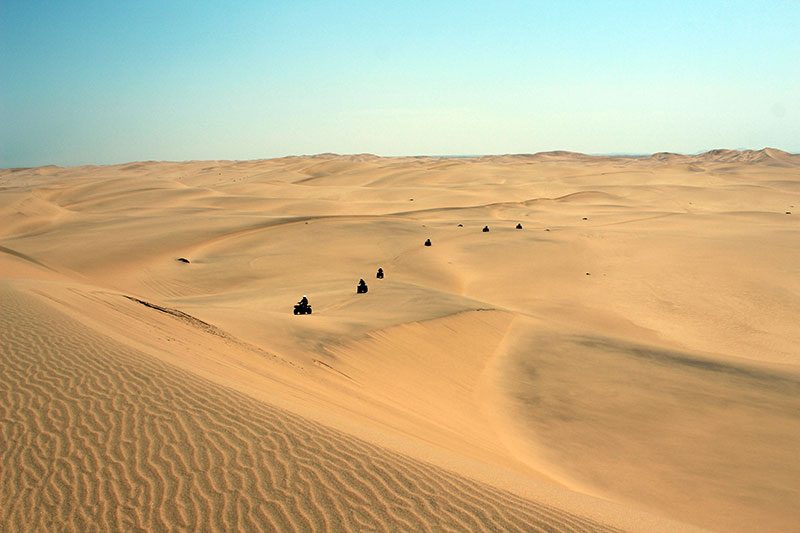
Desert, space and a sky full of stars. The classic self-drive country in southern Africa.
Before you go
Well prepared
Best time to travel
JFMAMJJASOND
ideal good not ideal
May to October is the dry season: clear air, hardly any rain and, from July to October, the best wildlife viewing in Etosha. In the winter months of June to August, nights in the desert get very cold. November to March is hot; in the north the rains arrive and the landscape turns green.
Vaccinations & malaria
Vaccinations
Make sure your standard vaccinations are up to date (tetanus, diphtheria, whooping cough, polio, measles). Hepatitis A is also recommended, and for longer trips or close contact with the local population also hepatitis B, typhoid and rabies. Yellow fever: proof of vaccination is required if you arrive from a yellow fever area.
Malaria
The south and centre, including Windhoek, Sossusvlei and Swakopmund, are malaria-free. In the north around Etosha there is a low risk, and in the Kavango and Zambezi regions (Caprivi) a high risk, especially during the rainy season. Depending on your route, an emergency standby treatment or prophylaxis is recommended.
Not medical advice. Recommendations change, so please get travel-health advice well before you go.
Our tips
Traffic drives on the left, and many routes are gravel roads. Don't drive faster than 80 km/h and carry two spare tyres.
Petrol stations are often far apart, so fill up at every opportunity.
The Namibian dollar is pegged 1:1 to the South African rand, which is accepted everywhere.
Pack a warm jacket for the desert nights, even in summer.
On the map
Where you will be
So you get a feel for where everything is before you go: the capital and the three places you have to see.
Other popular spotsSwakopmund · Fish River Canyon · Lüderitz · Waterberg · Zambezi Region
Three places you have to see
1Sossusvlei and Deadvlei
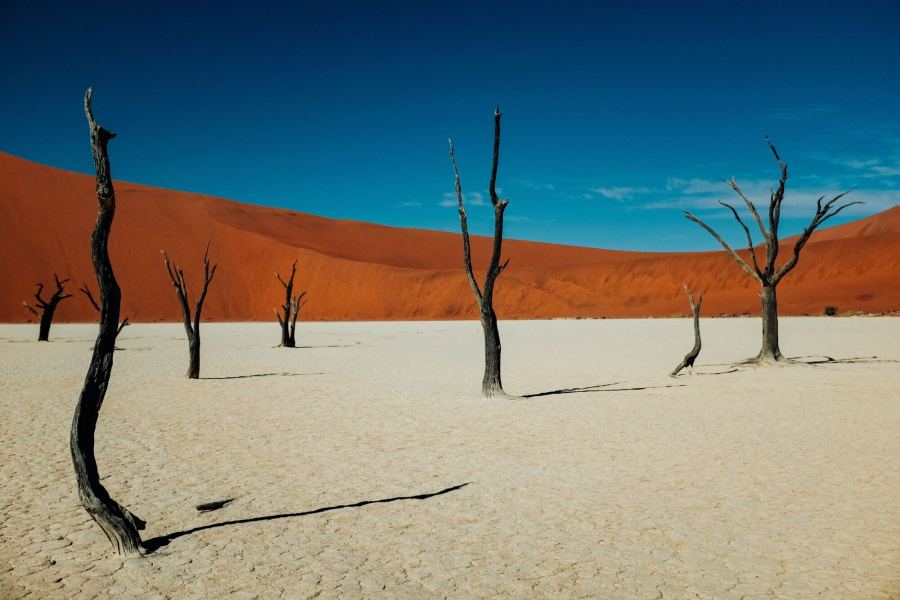
The highest dunes in the world, climbed early in the morning in the first light, and below them the dead camel thorn trees of Deadvlei.
2Etosha National Park
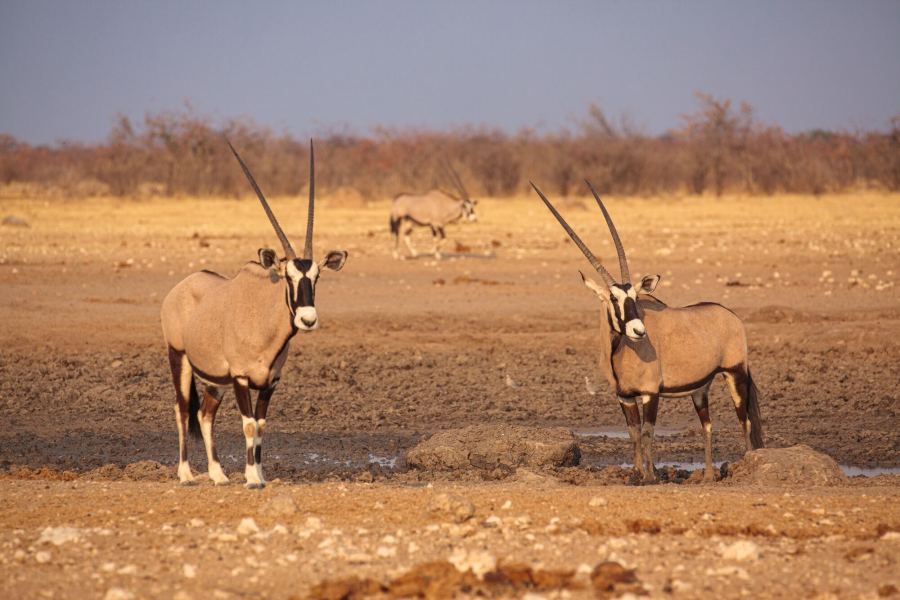
Elephants, rhinos and lions at the waterholes of a vast salt pan. Ideal for self-drivers.
3Spitzkoppe and Damaraland
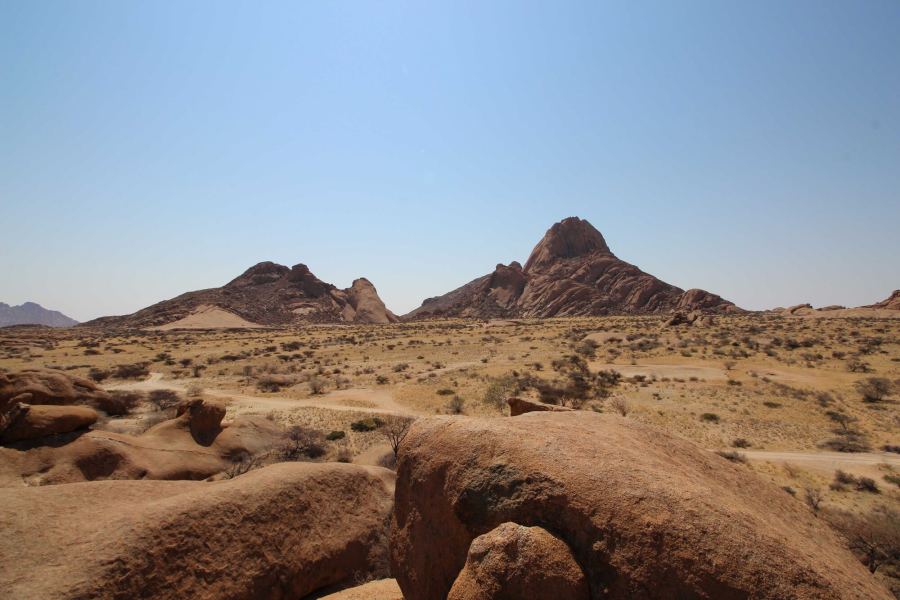
Granite peaks, rock engravings and nights under a starry sky like few places on earth can offer.
Namibia is space: desert, canyons and a starry sky that leaves you speechless. With its good gravel roads, safe accommodation and very little traffic, it is the classic self-drive country in southern Africa.
We plan your route so that each leg stays manageable and you experience the highlights at the best time of day: Sossusvlei in the morning light, Etosha's waterholes in the afternoon, and the coast at Swakopmund as a break in between. Combining Namibia with Botswana and Victoria Falls is a classic, too.
Space you can feel
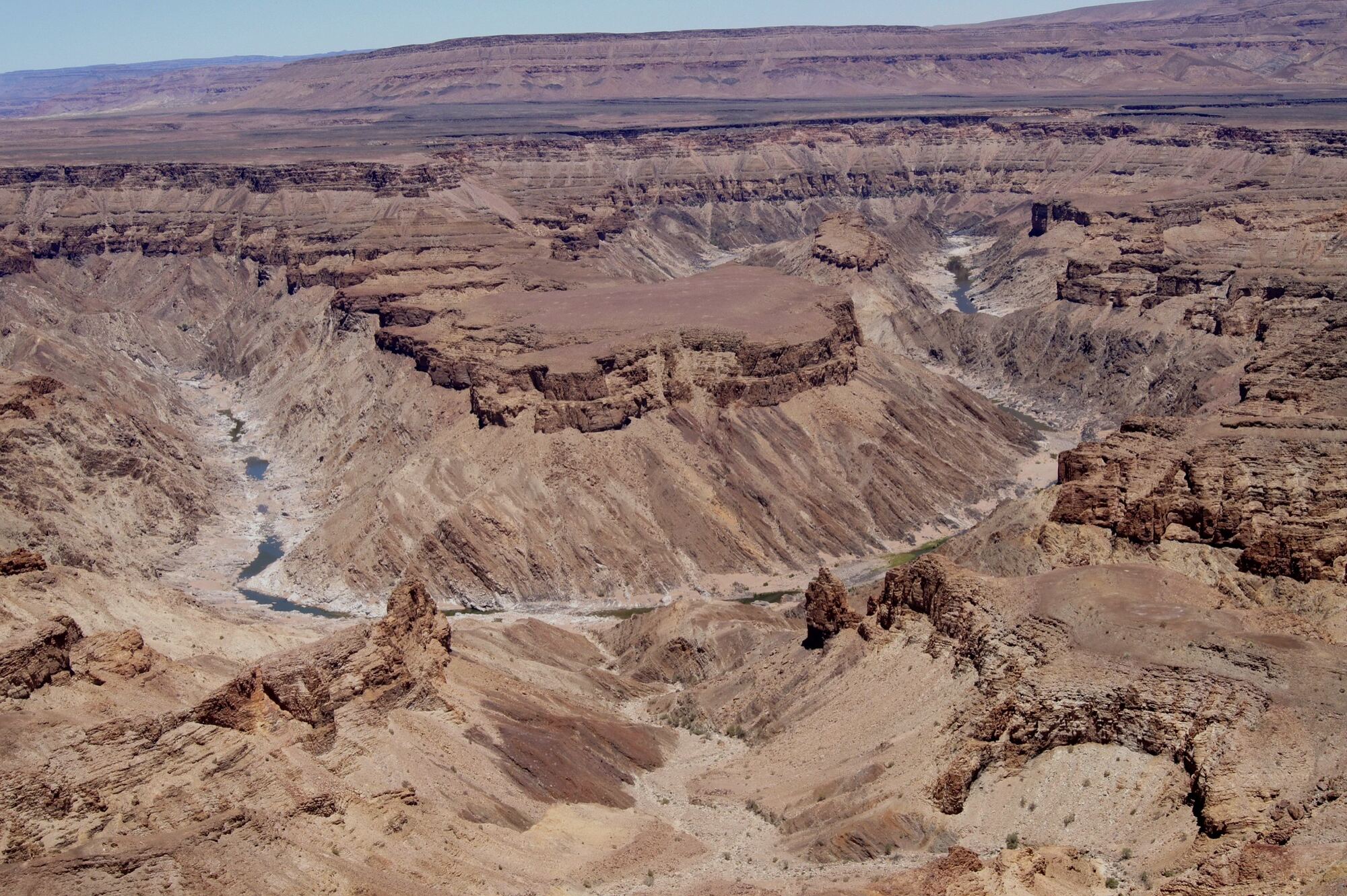
Hardly any country is so empty and at the same time so varied. Red dunes at Sossusvlei, the second-largest canyon in the world at Fish River, the misty Skeleton Coast, the rock engravings of Twyfelfontein and the white salt pans of Etosha. Between these places there are often hours without another car, and that is exactly where the magic lies.
How you travel with us
Namibia is the country for self-drivers. We provide you with a well-equipped 4x4, with a rooftop tent if you like, a route with realistic daily stages and accommodation we know personally: from the desert lodge with views of the dunes to the farm guesthouse with dinner around a big shared table. Before you set off, we explain everything you need to know about gravel roads, tyre pressure and refuelling.
A classic round trip takes two to three weeks: from Windhoek south to the Fish River Canyon, through the Namib to Sossusvlei, to the coast at Swakopmund, through Damaraland and finally to Etosha. If you have more time, carry on into the green Caprivi Strip and from there to Botswana or Victoria Falls.
Good to know
Namibia is one of the safest travel destinations in Africa, the infrastructure is good, and much of it feels surprisingly familiar. But don't underestimate the distances: on gravel you'll be slower than the map suggests, and it's best not to drive at all after dark. In return, you'll be rewarded with nights when the Milky Way stretches all the way to the horizon.
Fun facts
Did you know?
3
million people live in a country more than twice the size of Germany.
55
million years old: the Namib is considered the oldest desert in the world.
1,000
years and more is the age a welwitschia can reach, an ancient plant that grows only in the Namib.
1990
was the year Namibia became independent. German can still be found on street signs and menus in Swakopmund and Lüderitz today.
Plan your trip to Namibia
Tell us what matters to you. We will get back to you personally within 48 hours.